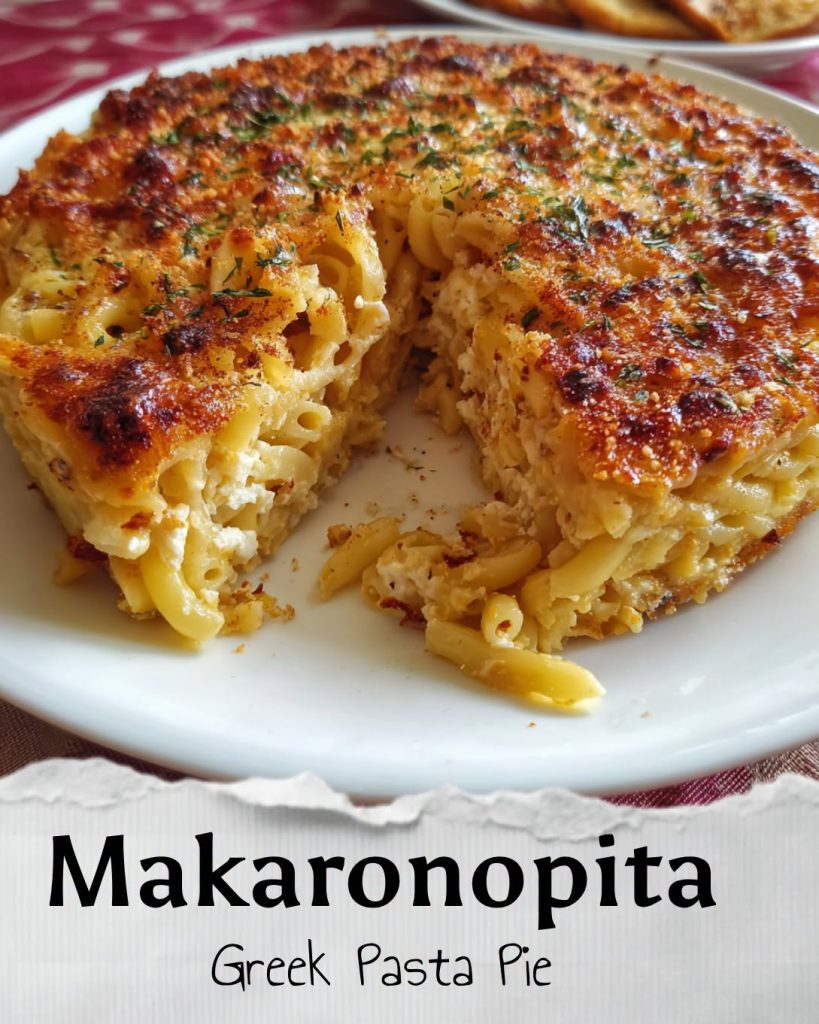
If you’re looking for a comforting baked pasta dish that’s both rustic and elegant, Makaronopita deserves a place on your table. This beloved Greek classic transforms simple pantry ingredients into a satisfying casserole with layers of creamy, savory flavor. Tender pasta is coated in a rich custard of eggs, Greek yogurt, and milk, while feta adds bright, salty notes and Graviera creates a beautifully nutty finish.
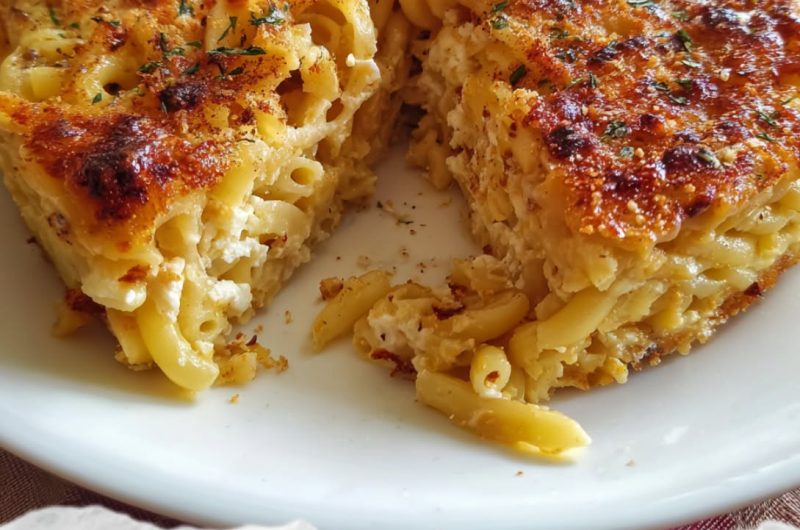
What makes this recipe especially appealing is its wonderful contrast in textures. The center stays soft and creamy, while the top develops a deeply golden, lightly crisp cheese crust during baking. Fresh parsley and dill bring brightness that balances the richness of the cheeses, and a hint of nutmeg quietly enhances every bite without overpowering the dish.
I’ve collected quite a few Greek family recipes over the years, and this is one my family always enjoys because it’s comforting without feeling overly heavy. It also reheats beautifully, making it an excellent choice for meal prep or entertaining when you want to prepare most of the work ahead of time.
Whether you’re serving it as the centerpiece of a casual Sunday dinner, bringing it to a holiday gathering, or adding it to a Mediterranean-inspired buffet, this pasta pie is a dependable recipe that feels both traditional and welcoming. Love this recipe? Pin it to your Greek Recipes board on Pinterest so you don’t lose it!
Why You’ll Love This Recipe
- Rich, Creamy Texture: The combination of eggs, Greek yogurt, and milk creates a custard that bakes into a silky, satisfying filling without becoming heavy.
- Authentic Greek Flavor: Feta, Graviera, fresh dill, parsley, and oregano deliver the classic flavors found in traditional Greek home cooking.
- Perfect for Entertaining: The casserole can be assembled ahead of time and baked when needed, making it ideal for holidays and family gatherings.
- Excellent Leftovers: The pie slices neatly after resting and reheats well, making lunches and quick dinners just as enjoyable the next day.
- Simple Pantry Ingredients: Aside from the specialty cheeses, the recipe relies on everyday staples that come together with very little hands-on work.
Key Ingredients & Why
- Bucatini: Its hollow center and sturdy shape hold the creamy custard exceptionally well, giving each slice structure while remaining tender.
- Greek Feta Cheese: Feta contributes a signature tangy, salty flavor that balances the richness of the egg custard and creates pockets of creamy texture throughout the pie.
- Graviera Cheese: This traditional Greek cheese melts smoothly while adding a buttery, slightly sweet, nutty flavor that complements the feta rather than competing with it.
- Greek Yogurt: Thick Greek yogurt enriches the custard while adding gentle acidity that keeps the filling creamy and prevents it from tasting overly rich.
- Eggs: Eggs bind all of the ingredients together during baking, creating the firm yet tender texture that allows the pie to slice cleanly.
- Fresh Dill and Parsley: These herbs provide freshness and aromatic complexity, helping lighten the overall richness of the cheese and custard.
Variations & Substitutions
- Parmesan Alternative: Substitute Parmesan for Kefalotyri using a 1:1 ratio if Kefalotyri isn’t available. The flavor will be slightly less sharp but still delicious.
- Spaghetti Instead of Bucatini: Replace bucatini with regular spaghetti using a 1:1 ratio. Cook it just until al dente so the finished pie maintains its structure.
- Gruyère for Graviera: If Graviera is difficult to find, substitute Gruyère 1:1. It offers a similarly nutty, excellent melting quality while preserving the character of the dish.
- Fresh Mint Addition: Replace up to half of the dill with fresh mint for a brighter herbal profile that’s popular in some regional Greek variations.
Equipment Needed
- 9 × 13-inch Baking Dish: Provides the ideal depth for even baking and clean slices. (Alternative: a similarly sized ceramic casserole dish.)
- Large Stockpot: Needed to cook the pasta evenly with enough room to prevent sticking.
- Large Mixing Bowl: Ensures the pasta can be folded into the custard without breaking.
- Balloon Whisk: Blends the eggs, yogurt, milk, and olive oil into a smooth custard.
- Box Grater (if grating cheese from a block): Freshly grated cheese melts more evenly than pre-shredded varieties.
Yield & Exact Sizing
- Total Yield: 8 generous servings.
- Pan Size: One 9 × 13-inch (23 × 33 cm) baking dish.
- Serving Size: Cut into 8 equal rectangles measuring approximately 2¼ × 4½ inches (6 × 11 cm).
- Cooking Shrinkage: Minimal shrinkage occurs during baking. The custard firms slightly as it cools, allowing cleaner slices after a 10-minute rest.
Ingredients
For the Pasta Pie:
14 oz bucatini or spaghetti, broken in half
9 oz Greek feta cheese, crumbled
5⅓ oz Graviera cheese, grated
3 oz Kefalotyri or Parmesan cheese, grated
5 large eggs
1 cup Greek yogurt
¾ cup whole milk
¼ cup extra virgin olive oil
3 tbsp fresh parsley, finely chopped
2 tbsp fresh dill, finely chopped
1 tsp dried oregano
Pinch freshly grated nutmeg
1 tsp sea salt
½ tsp freshly ground black pepper
For the Topping:
1½ oz Graviera or Kefalotyri cheese, grated
1 tbsp sesame seeds (optional)
1 tbsp extra virgin olive oil, for drizzling
Instructions
- Preheat the oven to 350°F (180°C). Lightly grease a 9 × 13-inch baking dish with a little olive oil and set it aside.
- Cook the pasta. Bring a large pot of generously salted water to a rolling boil. Add the broken bucatini and cook until just al dente, about 2 minutes less than the package directions. Drain thoroughly and allow it to cool for several minutes.
- Prepare the custard. In a large mixing bowl, whisk together the eggs, Greek yogurt, whole milk, and olive oil until completely smooth.
- Add the cheeses and seasonings. Stir the crumbled feta, grated Graviera, Kefalotyri (or Parmesan), parsley, dill, oregano, nutmeg, salt, and black pepper into the custard until evenly distributed.
- Combine with the pasta. Fold the cooked pasta into the cheese mixture, turning gently until every strand is evenly coated.
- Fill the baking dish. Transfer the pasta mixture into the prepared baking dish and spread it into an even layer without pressing it down too firmly.
- Add the topping. Sprinkle the remaining grated cheese evenly over the surface, followed by the sesame seeds if using. Finish with a light drizzle of extra virgin olive oil.
- Bake until golden. Place the dish in the oven and bake for 45 to 50 minutes, or until the custard is fully set and the top develops a deep golden-brown crust.
- Rest before serving. Remove the Makaronopita from the oven and let it rest for 10 minutes before slicing into portions. Serve warm as a main course or alongside a fresh Greek salad.
Visual & Tactile Cues
While Cooking the Pasta
- The pasta should be slightly firm in the center when you bite into it. It will finish cooking in the oven, so avoid fully softening it.
- After draining, the pasta should separate easily without becoming sticky or mushy.
While Mixing the Custard
- The egg mixture should appear smooth, pale, and creamy, with no streaks of yogurt or egg remaining.
- Once the cheeses and herbs are added, the mixture will become thick but still pourable.
Before Baking
- Every strand of pasta should be evenly coated with the custard mixture.
- The casserole should look moist but not soupy, with cheese and herbs distributed evenly throughout.
During Baking
- Around the 30-minute mark, the edges will begin bubbling gently.
- The top should gradually turn a rich golden brown as the cheese melts and browns.
When Fully Baked
- The center should feel firm with only a slight jiggle when the dish is gently shaken.
- A knife inserted near the center should come out mostly clean without liquid custard.
- The surface should be crisp, deeply golden, and fragrant with toasted cheese and herbs.
After Resting
- After 10 minutes, the pie should slice cleanly without falling apart.
- The interior should remain creamy while holding its shape.
Cooking Notes (Pro Tips)
- Don’t Overcook the Pasta: Slightly undercooked pasta absorbs the custard while baking. Fully cooked pasta can become overly soft.
- Drain Thoroughly: Excess water can thin the custard and prevent the pie from setting properly. Let the pasta drain well before mixing.
- Use Freshly Grated Cheese: Freshly grated Graviera and Kefalotyri melt more smoothly and produce a better golden crust than pre-shredded cheese.
- Allow the Pie to Rest: Resting for at least 10 minutes helps the custard finish setting, resulting in cleaner slices and better texture.
Storage & Reheating Guide
- Refrigerator: Store cooled leftovers in an airtight container for up to 4 days.
- Freezer: Wrap individual portions tightly in plastic wrap and foil, or store in freezer-safe containers for up to 2 months. Thaw overnight in the refrigerator before reheating.
- Best Reheating Method (Oven): Reheat at 325°F (165°C) for 15 to 20 minutes until heated through. Cover loosely with foil if the top begins browning too quickly.
- Air Fryer: Reheat slices at 325°F (165°C) for 6 to 8 minutes for a crisp, freshly baked texture.
- Microwave: While convenient, microwaving softens the crisp cheese topping. Use only for quick reheating if texture is not a priority.
Serving Suggestions
Makaronopita is perfect for relaxed family dinners, weekend brunches, holiday gatherings, or a Mediterranean-inspired buffet.
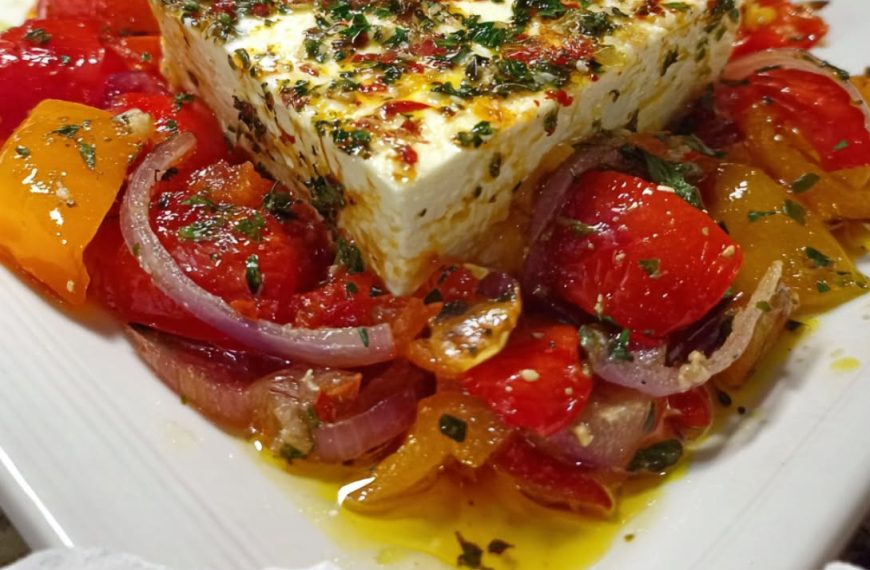
- Greek Village Salad: The crisp vegetables and bright vinaigrette balance the richness of the cheesy pasta pie without requiring additional cooking in the oven.
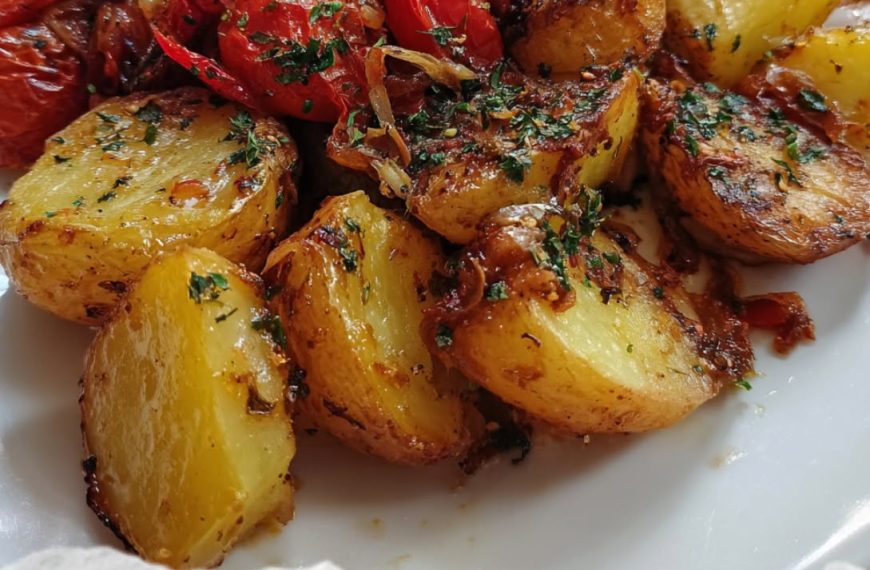
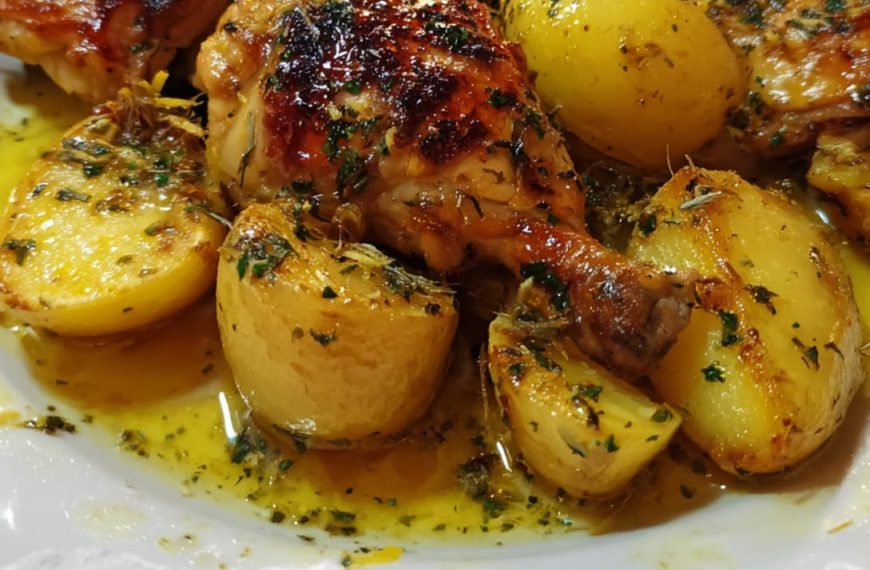
- Roasted Lemon Potatoes: Their bright citrus flavor complements the savory cheeses while making a satisfying traditional Greek meal.
- Tzatziki: A cool yogurt, cucumber, and garlic sauce adds refreshing contrast and pairs naturally with the herbs in the pie.
- Warm Crusty Bread: Fresh bread is perfect for enjoying any creamy cheese filling and rounds out the meal with minimal preparation.
Nutrition Facts
Estimated Nutrition per Serving
- Calories: 520 kcal
- Fat: 31 g
- Carb: 38 g
- Protein: 23 g
Disclaimer: This nutritional information is an estimate provided by an online calculator and is meant for informational purposes only.
Recipe Science
Makaronopita is a traditional Greek baked pasta casserole that combines cooked pasta with an egg-based custard and several cheeses before baking until firm. The eggs provide structure, while Greek yogurt and milk create a creamy interior that remains tender after baking. Feta contributes tangy, salty notes, while Graviera adds a buttery, nutty flavor and an evenly browned crust.
The success of the dish depends on balancing moisture and protein. Slightly undercooked pasta absorbs some of the custard during baking, preventing excess liquid from remaining in the finished pie. Egg proteins coagulate as the temperature rises, creating a stable structure that binds the pasta and cheese together. The natural fats in the cheeses melt gradually, enriching the filling while promoting browning through the Maillard reaction on the surface.
This preparation method works well for home cooks because it can be assembled ahead of time and baked shortly before serving. Allowing the finished pie to rest after baking lets the proteins relax and the custard finish setting, producing cleaner slices. Leftovers retain their structure well and reheat best in the oven or air fryer, which helps restore the crisp top while warming the creamy center.
Per serving, this recipe contains a notable amount of sodium and saturated fat due to the traditional Greek cheeses. Those monitoring sodium intake may reduce the added salt or choose a lower-sodium feta if available. The recipe contains very little added sugar, remaining well below the FDA Daily Value of 50 grams for added sugars. These adjustments can moderate the nutritional profile while maintaining the essential character of the dish.
Frequently Asked Questions
- Can I assemble Makaronopita ahead of time? Yes. Assemble the casserole, cover tightly, and refrigerate for up to 24 hours before baking. You may need to add 5 to 10 extra minutes to the baking time if it goes into the oven cold.
- Can I use a different pasta shape? Long pasta such as spaghetti, linguine, or bucatini produces the most traditional texture. Short pasta will change the appearance and slicing characteristics.
- Why didn’t my pie set properly? Excess moisture from under-drained pasta or underbaking are the most common causes. Make sure the center is firm before removing the dish from the oven.
- Can I serve it at room temperature? Yes. Makaronopita is delicious warm, at room temperature, or gently reheated, making it an excellent choice for buffets and potlucks.
- I can’t find Graviera where I live. What should I use? Outside the United States or Greece, Gruyère is usually the closest substitute. It offers a similar nutty flavor and melting quality without significantly changing the character of the dish.
- Can I add vegetables? Small amounts of sautéed spinach or finely chopped cooked leeks can be added after removing excess moisture. Avoid watery vegetables that could prevent the custard from setting properly.
Conclusion
There’s something incredibly comforting about serving a bubbling pan of homemade Makaronopita straight from the oven. It’s one of those timeless recipes that proves simple ingredients, prepared with care, can create a meal everyone looks forward to sharing.
Don’t be afraid to make it your own while staying true to its traditional Greek roots. I’d love to hear how your Makaronopita turned out. Did you serve it with a classic Greek salad, or did you pair it with another favorite side? Happy cooking, friend!
Makaronopita (Greek Pasta Pie)
Course: Main CourseCuisine: GreekDifficulty: Medium8
servings20
minutes50
minutes520
kcalMakaronopita is a traditional Greek baked pasta pie made with tender bucatini, tangy feta, nutty Graviera cheese, fresh herbs, and a rich egg custard. The result is a hearty, golden casserole with a creamy interior and crisp, cheesy top that’s equally delicious for family dinners, holiday tables, or next-day leftovers.